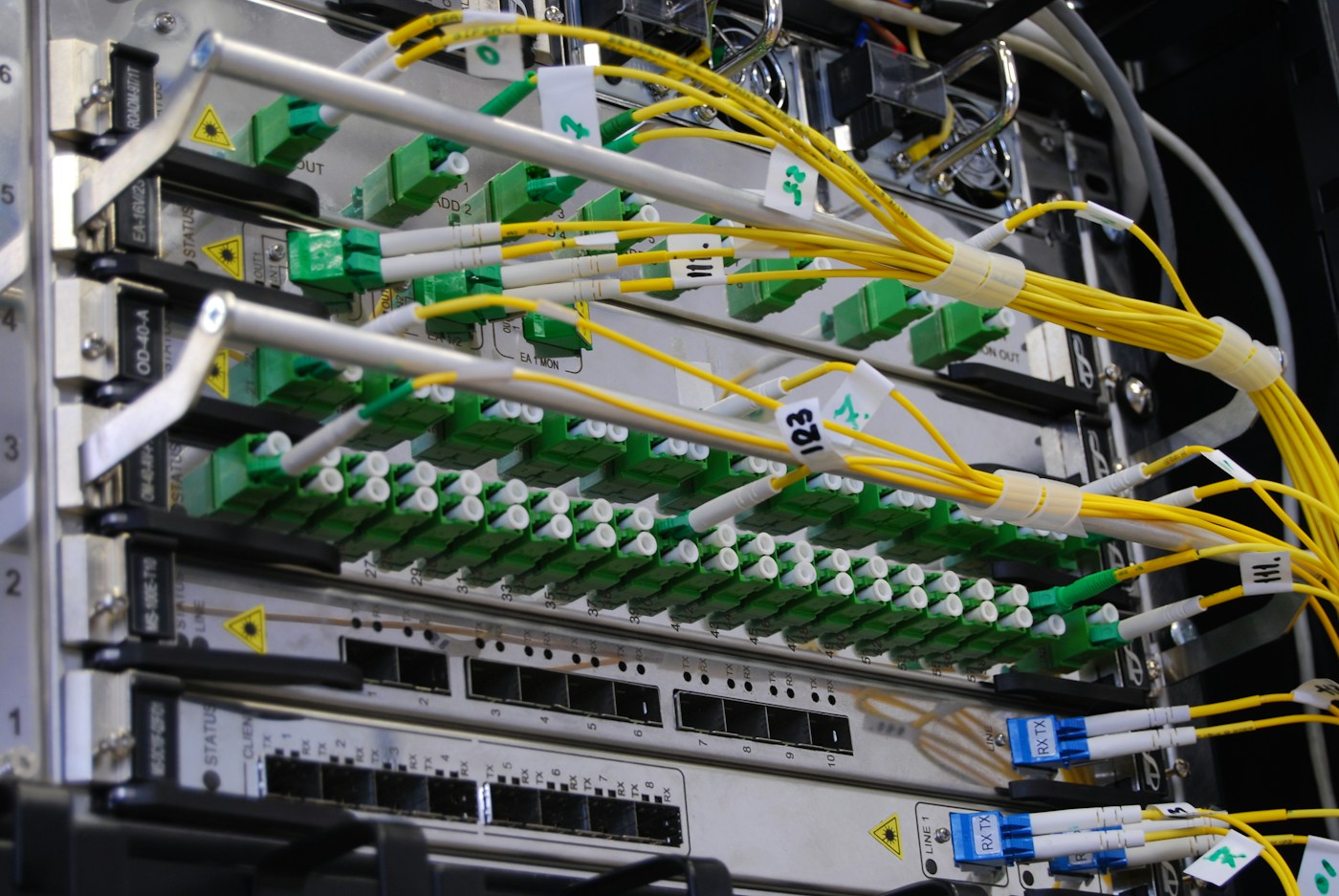
Data risk does not end when a device is switched off. Servers, storage systems, laptops and other retired equipment may retain information long after they leave active use.
Identify every data-bearing asset
Hard drives and solid-state drives are obvious examples, but storage can also exist in network appliances, printers, mobile devices and embedded systems. A reliable inventory should distinguish data-bearing assets from general equipment.
Match the method to the requirement
Different devices, data classifications and reuse plans can require different sanitization or destruction methods. The method should be agreed before assets are transferred or processed.
Maintain control during handover
Collection and transport are part of the security process. Clearly assigned responsibilities, asset identification and documented handovers help organizations understand who has control at each stage.
Plan documentation from the beginning
Reporting should not be an afterthought. Define what records are required, which assets they should reference and who needs to receive them.
Requirements vary by equipment, location and organization. Define your priorities before selecting a processing route.