
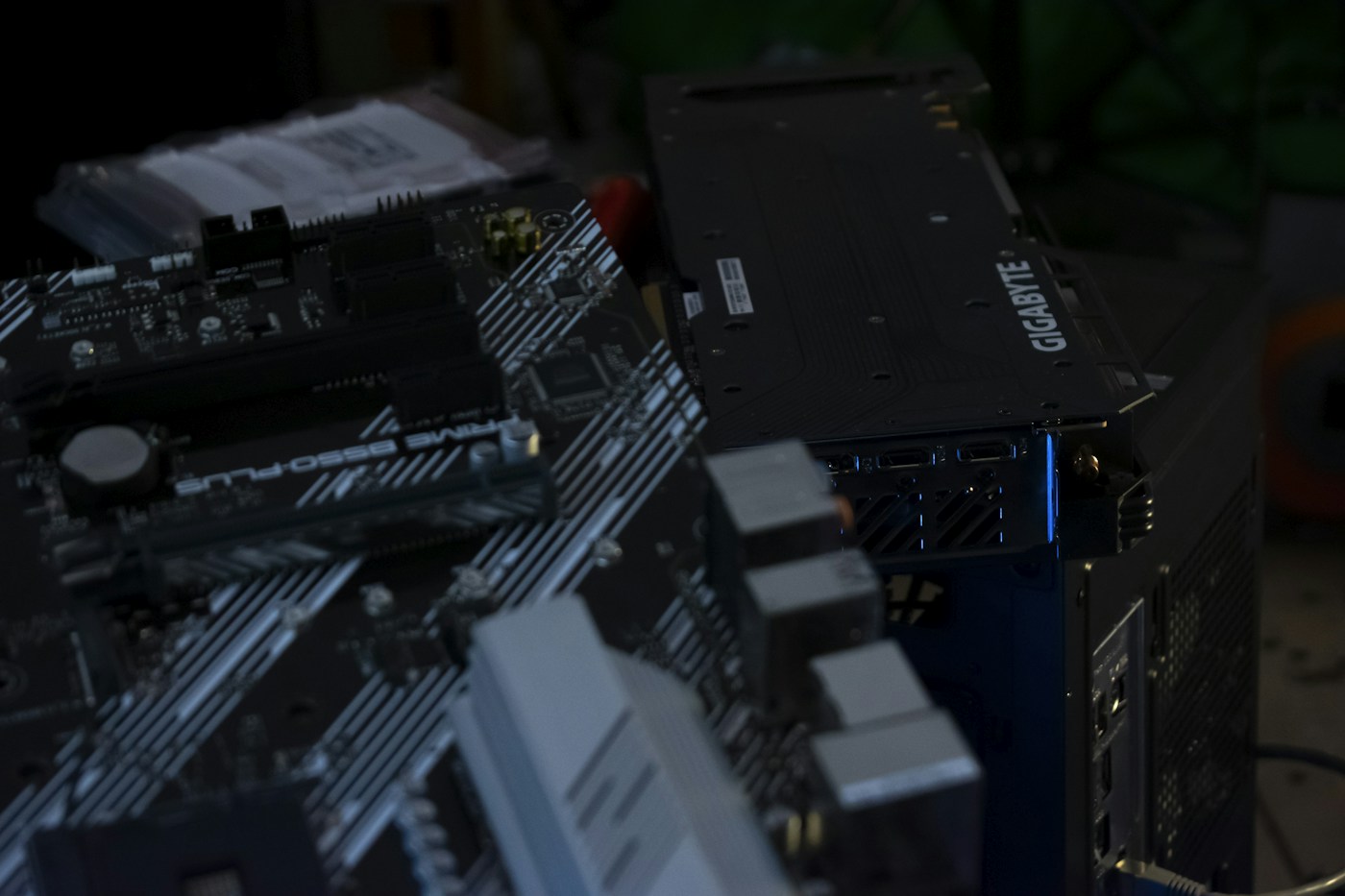
IT asset disposition, commonly known as ITAD, is the structured process organizations use to retire technology equipment securely, responsibly and with a clear understanding of its remaining value.
ITAD is more than equipment disposal
A complete ITAD program considers the full journey of an asset after it leaves active service. That journey can include inventory verification, secure collection, data handling, equipment testing, value recovery, reuse, remarketing and responsible recycling.
The core stages of an ITAD project
Most projects begin by defining the scope: what equipment is involved, where it is located and what security or operational requirements apply. The project can then move through planning, collection, processing, recovery and reporting.
Why a structured approach matters
Retired technology may still contain sensitive information and residual financial value. It can also create storage, compliance and environmental concerns. A planned process helps stakeholders make informed decisions.
Choosing the right starting point
Begin with an accurate inventory and a clear list of project priorities. Consider data-bearing devices, site access, collection timing, reporting needs and whether equipment may be suitable for reuse.
Requirements vary by equipment, location and organization. Define your priorities before selecting a processing route.